

The feet are the underdog of your body. Your feet are stood on, walked on, and crammed into shoes of all different kinds. There are so many parts of the body that don’t seem to get the attention they deserve, and your feet are one of them.
They are worth spending some time with. They will give it back to you through the power they have to connect you to the rest of your body. Exploring your feet can help relieve tight lower-back muscles, encourage the muscles in your legs to stretch rather than stiffen, and give you a new perspective on what creates movement throughout your body.
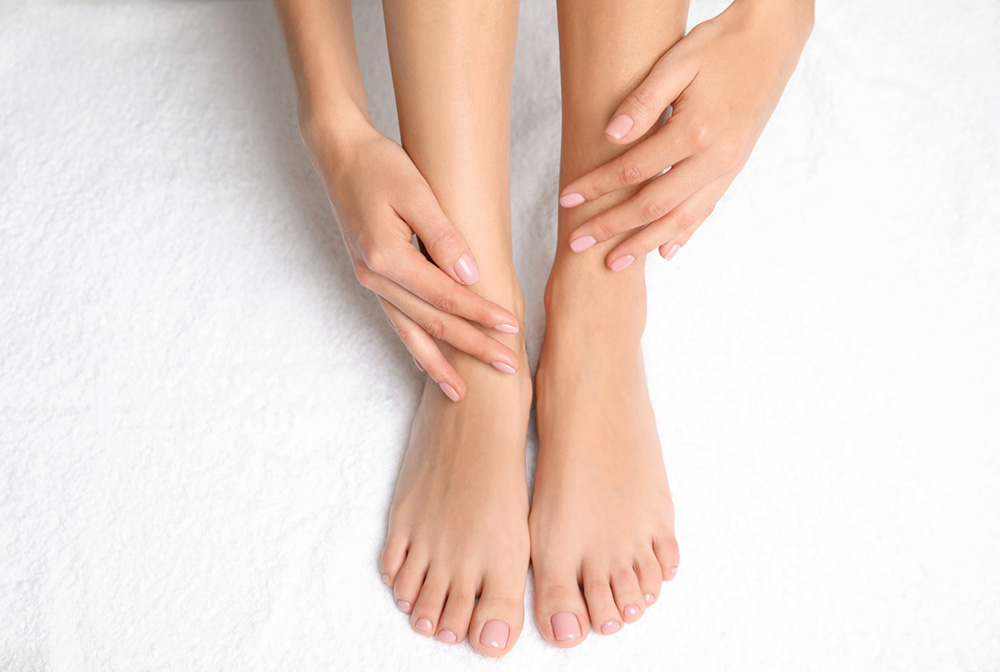
Your feet send messages to many different parts of your body. You are both relaxing them into the floor and pushing away from the floor at the same time. Doing nothing with them is not an option.
If you begin to move your feet, avoid isolating them from the rest of your body. That push and pull of the feet against the floor sends messages throughout your body. Some injuries or patterns of chronic pain that seem to get stuck—whether in the neck, hip, or elsewhere—will benefit from exploring the way you move your feet and discovering how you can “do it different.”
And maybe the meaning of the colloquialism standing on your own two feet expresses a deeper benefit you get from looking into your feet. It suggests a confidence that can result from the support your feet provide to your body and from how you feel in general.
A common exercise as simple as pumping your feet up and down while holding on to the back of a chair could do so much more for you when you bring your attention to the chain reaction of muscles throughout your body as you begin to move your feet.
If you don’t feel that connection right away, be open to any adjustments you feel your body making. That’s what I call your Body Dialogue. Your body is responding.
Doing It Different
I’ve seen people do foot exercises all the time, but unfortunately, what they often do is put so much pressure on their feet that they try to lift the whole body with them.
It doesn’t work that way.
No part of your body can do the work of the whole body. As a result, we lose interest, feel discouraged, and don’t get the relief we crave.
Using the Balls Under Your Feet
Make It Simple
Try this simple way to explore the movement:
- Sit comfortably on a chair or bench.
- Place one or both feet on the Miracle Balls, starting under the middle of your foot.
- Take a few moments to feel your foot resting on the ball.
- Slowly shift the weight of your foot forward and backward over the ball.
- As you move, notice whether you can feel different parts of your foot moving over the ball.
- Notice how much effort you are using in your feet.
- Pay attention to what happens in the rest of your body as you move.
Tip: Keep the rest of your body as quiet or still as possible. Notice your knees, legs, hips, shoulders, and breath. Avoid wobbling or gripping. Remember, every movement is a whole-body movement.
You can adjust tension with the amount of weight and effort of your foot against the ball—that’s the best part about elasticity.
Stiffness is not tension. Stiffness is isolating one part of the body from the rest without breath. Tension is something you can move, similar to the elasticity of a rubber band when you stretch it.
The goal isn’t to use your foot to lift or control your entire body. Instead, let the push and pull of your foot against the ball create a connection throughout your body.
Play with the amount of pressure—you can always use more or less. Tension is something you can adjust; stiffness doesn’t have to be.
Give it a try and notice how different it feels when your feet are working with the rest of your body.