
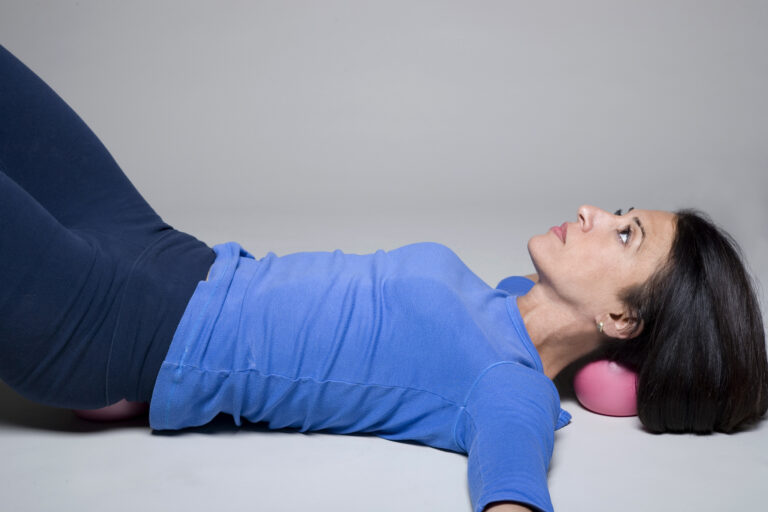
The Miracle Ball Method

Why I Developed the Miracle Ball Method

The Email

I recently received an email from someone that reminded me exactly why I began this journey.

She described living with chronic pain and mentioned that she had been having a few good days. What she hoped most was that the pain would not return.

That sentence stopped me.

Because many people who experience ongoing pain know that feeling. You have a good day, and instead of enjoying it, part of you is waiting for the pain to come back.

Have you ever had that feeling yourself?

As I continued reading her email, I realized how familiar her experience was to me.

For many of us, common issues like shoulder pain, low back aches, and anxiety are hard to resolve. The first time you experience the pain or discomfort, all you can think about is getting rid of it. Unfortunately, for many people, that can become a bigger challenge than the pain itself.

Sometimes the pain doesn’t even return in the same way. Maybe it stops hurting in the lower back but somehow seems to move into the upper back or the neck. We begin to feel as if something is going to get us if we are not hyper-vigilant about our body.

I remember developing new problems emotionally—wondering whether my movements were good enough to ward off this “evil pain” that seemed to come out of nowhere.

That was the reason I went on this journey.

The worst thing for me was having those good days and not knowing if the pain was going to come back.

I didn’t set out to develop a body method. I had some significant physical challenges at a young age that were not getting resolved. They left me weakened, in pain, and depressed.

And like many people, there were days that were better than others. For a while, I was hopeful that somewhere there would be help.
Developing the Method

What I discovered—and it was actually a logical conclusion right from the beginning—was that when I got relief, something physical had taken place.

I thought to myself:

If I could identify what that change was, perhaps it could prevent the pain in the future.

It became a process of noticing what I was doing rather than focusing on what I wanted my body to do.

That’s why I impress upon people in my classes, and when I talk about the Body Dialogue in the book, that we need to become more specific rather than emotional.

Let me explain.

Looking at your body as one clump of feelings, emotions, and solutions is like being caught on a wheel. We get physical feelings. Those feelings create emotions. The emotions make us feel we need to do something. Then we get more physical feelings.

All of this can happen within milliseconds.

Does that cycle sound familiar?

That’s what the person in the email was expressing—she simply hoped the pain would not return. Yet there are many things the body could do to help that she was unaware of, because no one teaches you that.

And that realization is exactly what began shaping the Miracle Ball Method.

Use the Feedback of Your Body

When you’re doing the method—or even some of the simple things I’ve suggested in other blogs, like lying on the floor, sitting on a hardwood chair, or sitting on the floor—take a few seconds, maybe 15 or 20, and notice what you are doing.

Begin this Body Dialogue by being more specific. Use words that describe your physical body rather than focusing only on the emotion.

It’s okay to have emotions. But it helps to make a distinction between emotional thoughts and what is physically happening in your body.

Your thoughts can influence your physical body. Sometimes they create results you are not happy with because they come from emotion rather than clarity. We need to separate those two things a little.

The phenomenon of the human body is that by noticing—yes, simply by building more clarity in the physical body—you send messages back to your brain.

And something remarkable happens.

Your body can begin making adjustments and finding new possibilities simply because of that clarity.

If everything stays in emotion and wanting, think about it: you are not giving your body anything to work with.

Your body needs information in order to help you.

The Back and Forth Between Body and Brain

For example, when you do the Miracle Ball Method and place the balls in certain areas, you may begin to notice changes.

Perhaps your breathing shifts. Maybe when you return to sitting or lying down afterward, something feels different.

Be specific about what that is.

That’s how the method came about for me.

That’s when the light went on. Something had changed, and I was excited because I knew something was different. I began to notice what had changed that made me feel better.

Maybe a part of the body moved differently. Maybe breathing changed.

It isn’t complicated—but our emotions can jump in and take the power away from the body’s natural ability to heal.

It’s like getting a cut and, instead of taking care of it, crying about it for a year.

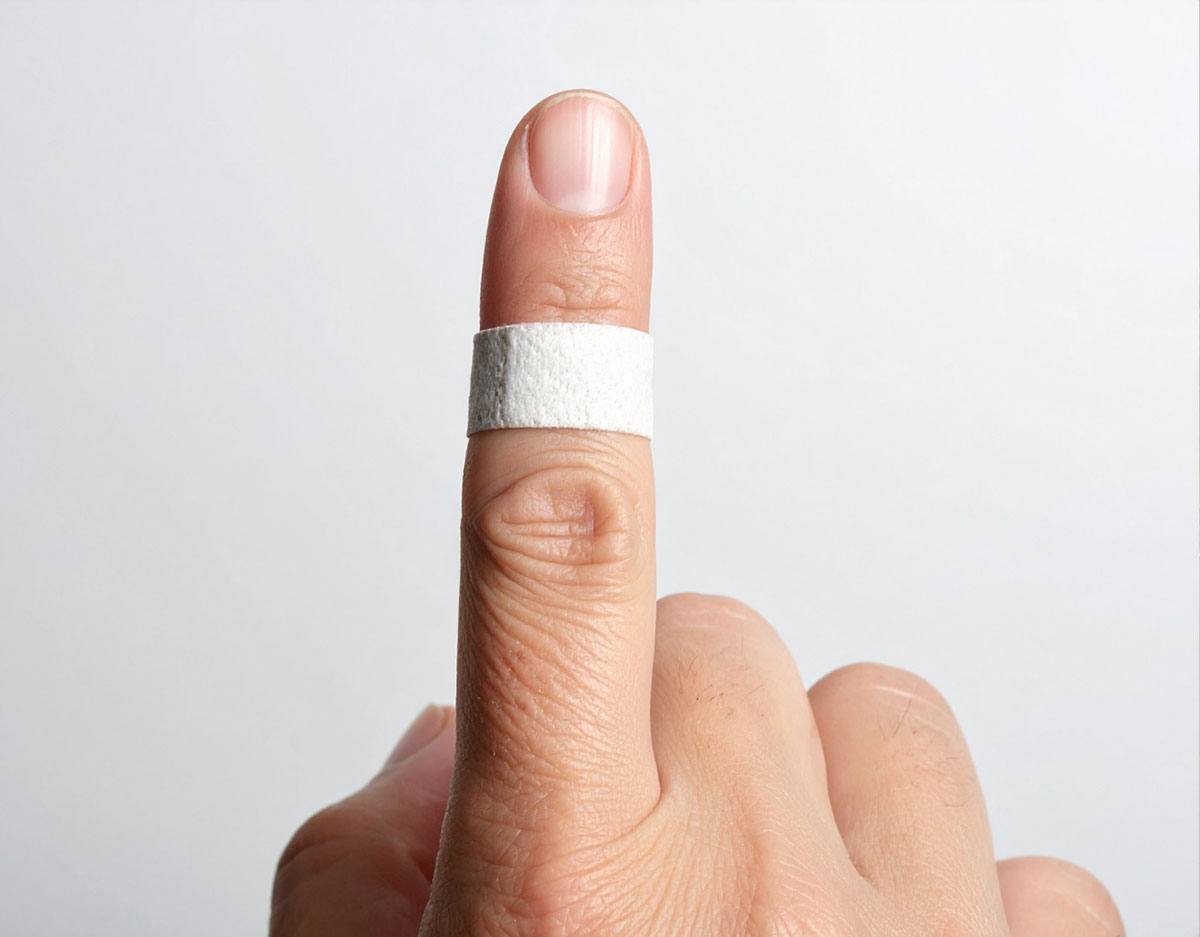
Healing a Cut

Let’s say you are slicing cucumbers and you cut your finger.

You would probably clean it, maybe apply ointment, and put on a Band-Aid. You would protect it and allow the healing process to take place.

You wouldn’t run into another room and scream about it.

Healing a Cut

But when it comes to things like backaches, knee problems, foot pain, or TMJ, people often don’t know what to do. They don’t believe their body is going to help them.

Yet there is a process—and that is what the Miracle Ball Method is about.

“I’m not teaching you my method. I’m helping you discover your body’s method to heal and realign itself.”

And that discovery can be surprisingly empowering.

The Miracle Is Your Body’s Method

The Miracle Ball Method helps you feel that experience.

It facilitates healing by helping you notice what you are doing.

Many of us want to focus on the “right exercise” or what we emotionally hope will happen. But when you simply notice what you are doing, your brain begins to use that information and make adjustments that feel better.

What are you doing differently after lying on the floor?
After breathing for a few moments?
After sitting again?

When you acknowledge those differences, you begin to realize that your body did much of that on its own. You allowed it to move away from what you were doing before—and it knew where to go.

We often skip over the most important part:

Your body knows where to go.

Get More Out of Moving

The Miracle Ball Method is simply a way to help you begin that conversation with your body.

If you would like to experience this process for yourself, you can:

March is Membership Month, and members receive a class with Elaine each month.

Although it may sound like a lot, it is actually a very simple process—just an unfamiliar one.

Once you begin to experience how your body responds, movement becomes less about fear and more about discovering what your body already knows how to do.